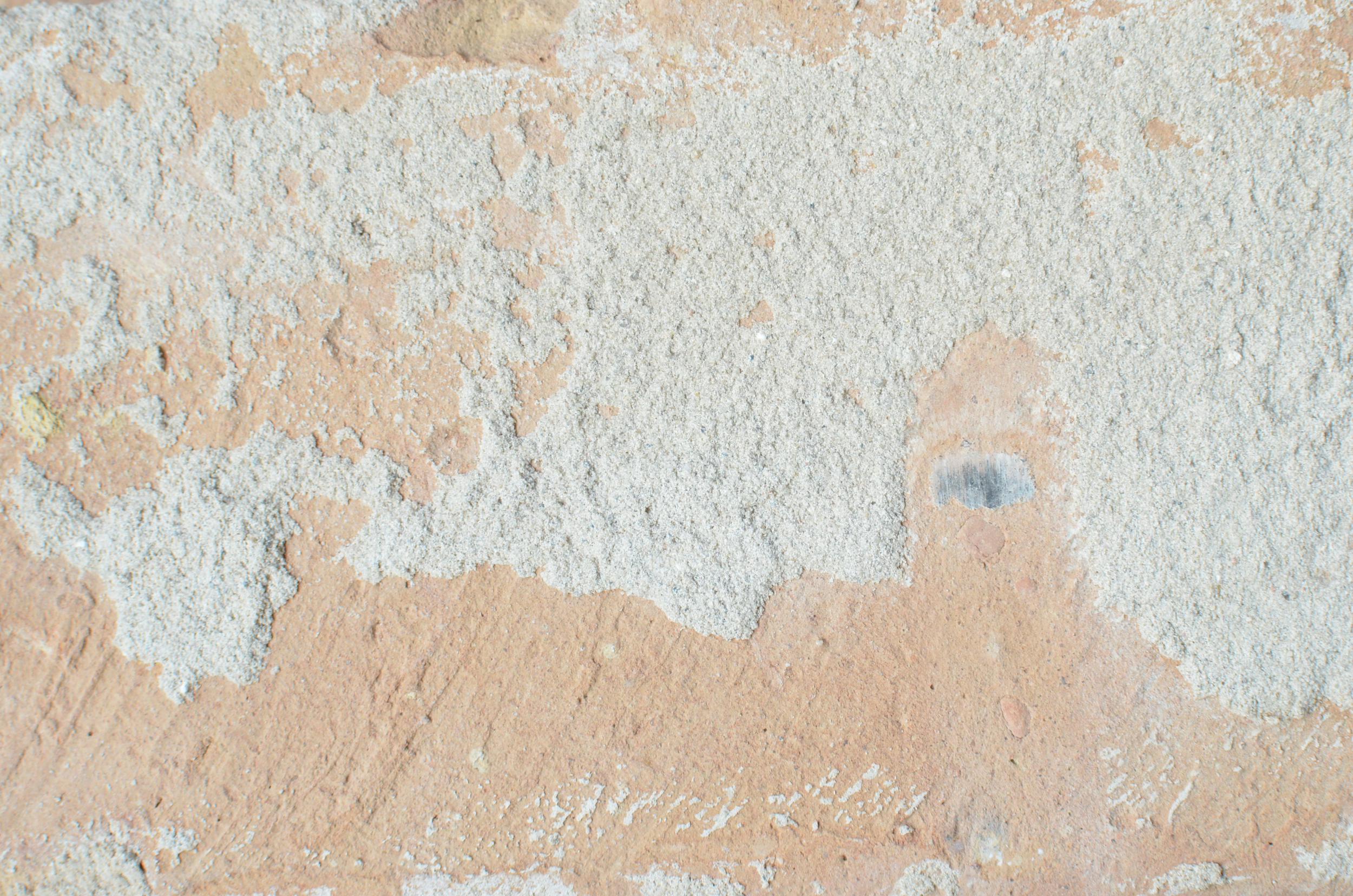
If you’ve ever seen a white, chalky or powdery residue on the surface of a stucco wall, you were likely looking at efflorescence.
Efflorescence is one of the most common surface conditions found on cement-based finishes, and while it can be frustrating to see, it does not automatically mean the stucco was installed incorrectly or that the wall is failing.
In many cases, efflorescence is the visible result of moisture moving through the wall and carrying salts to the surface.
Efflorescence is a crystalline deposit, usually white, that can develop on the surface of stucco and other cement-based materials.
It forms when:
In simple terms:
Water moves through the stucco, brings minerals with it, and leaves a white residue when it dries.
Efflorescence is usually not caused by bad workmanship alone, and it is not typically the result of “faulty” stucco materials by themselves.
Instead, it is usually the result of several conditions happening at the same time.
For efflorescence to occur, four things generally need to be present:
Salts are naturally present in many construction materials.
They can come from:
Even very small amounts of soluble salts can create visible efflorescence.
Moisture is one of the main drivers of efflorescence.
If water repeatedly enters, saturates, and then evaporates from a wall, it can pull soluble salts to the surface.
Common moisture sources include:
In simple terms:
No water, no efflorescence. Moisture is what activates the process.
Water does not just move straight down. It can move upward, sideways, or become trapped depending on the conditions.
Physical forces that can affect moisture movement include:
This is one reason efflorescence can show up in unexpected places.
Stucco is naturally porous, which means moisture can move through it.
In addition, water can enter through:
Because of this, efflorescence is not limited to the bottom of the wall. It can appear almost anywhere on the surface.
Efflorescence is often grouped into two categories:
This happens during the curing process.
As excess water in fresh plaster moves to the surface and evaporates, it leaves behind salt crystals. This is often what people call the “new building bloom.”
This happens later, after the stucco has already cured.
It occurs when moisture repeatedly enters and leaves the wall over time, dissolving salts and bringing them back to the surface during each cycle.
In simple terms:
Primary efflorescence happens early. Secondary efflorescence happens later if moisture keeps coming back.
Efflorescence is often worse during cold, damp, or wet periods.
In winter or during extended rainy weather:
In hot summer conditions, moisture often evaporates too quickly for the same level of salt migration to happen.
That is why efflorescence is often more noticeable during cooler months.
Since efflorescence depends on multiple factors, it cannot always be fully avoided. But it can often be reduced by limiting the conditions that allow it to form.
Helpful preventative steps include:
Good workmanship and good water management go a long way.
In many cases, lighter efflorescence can be removed with:
More stubborn calcium carbonate deposits can be much harder to remove and may require:
Cleaning should always be done carefully. The wrong solution or method can damage the wall finish or make the problem worse later.
Efflorescence is a moisture-related surface condition caused by salts migrating to the exterior of stucco and drying on the face of the wall.
It is common. It can happen on new or older buildings. And it can appear almost anywhere on the wall surface when the right conditions are present.
That does not always mean the wall is failing — but it does mean moisture is part of the story.
If you’re seeing white staining, powdery deposits, or recurring efflorescence on your stucco walls, it may be worth evaluating the moisture exposure and wall conditions more closely.
Premier Plastering provides stucco inspections and repair services throughout Orange County, including Huntington Beach, Newport Beach, Laguna Beach, Costa Mesa, and surrounding areas.
If you have questions about efflorescence, stucco moisture exposure, or possible repair options, reach out to schedule an evaluation.
Understanding the source of the moisture is the first step toward solving the problem the right way.


 View All our Links on Linktree